+91 9820458696

samargupte@gmail.com

Continue reading...

Hormone Therapy for Uterine Cancer: When progestins are used instead of chemotherapy to slow down tumour growth August 4, 2026 – Posted in: Oncology

When a person receives a diagnosis of uterine cancer—specifically endometrial cancer—the mind often jumps straight to aggressive treatments like chemotherapy or radical surgery. However, oncology has evolved to offer highly targeted, gentler alternatives for specific patient groups. One of the most effective, lesser-known approaches is hormone therapy utilizing progestins. By substituting traditional chemotherapy with progestins, doctors can effectively slow down or halt tumour growth while preserving the patient’s quality of life. The Biology of Uterine…

Continue reading


Continue reading...

Fear of Recurrence: Provide behavioural exercises to manage the quiet anxiety of cancer returning July 24, 2026 – Posted in: Oncology

Hearing the words “you are in remission” or “your treatment is complete” brings a profound sense of relief. Yet, for many cancer survivors, that relief is quickly accompanied by a quiet, persistent shadow: the fear of cancer recurrence (FCR). This anxiety is not a sign of weakness; it is a completely natural psychological response to a traumatic medical event. When every headache, muscle ache, or routine follow-up appointment trigger intense panic, it can feel like…

Continue reading
Continue reading...

Cervical Cancer Screening in Your 40s and 50s: Why Having Kids Doesn’t Mean You’re Done July 8, 2026 – Posted in: Oncology

For many women, the decades of their 40s and 50s are a time of significant transition. Careers peek, children grow up, and the body shifts toward menopause. Amid these life changes, health priorities naturally evolve. Unfortunately, a pervasive and highly dangerous medical misconception often takes root during this stage of life: the belief that once you are done having children, cervical cancer screening is no longer necessary. This assumption is entirely false. Childbearing has no…

Continue reading
Continue reading...

Genetic Counselling 101: Who Should Get Tested for Hereditary Gynaecological Cancers? June 24, 2026 – Posted in: Oncology

While routine screenings like Pap smears are essential parts of women’s health, they do not tell the whole story. For many women, the blueprint for developing gynaecological cancers—such as ovarian, fallopian tube, endometrial, and primary peritoneal cancers—is carried silently in their DNA. In India, the conversation around hereditary cancers is shifting rapidly. Oncologists are seeing a younger median age of onset for gynaecological cancers compared to Western nations. Because hereditary variants play a prominent role…

Continue reading
Continue reading...

The Gynaecologic Oncologist Advantage: Why Specialized Care Matters May 27, 2026 – Posted in: Oncology

  When facing a diagnosis of uterine, ovarian, cervical, vulvar, or vaginal cancer, every choice you make matters. The most critical decision you will face happens before treatment even begins: choosing the right doctor. Research consistently reveals that women treated by a gynaecologic oncologist experience significantly better survival rates and a higher quality of life. What is a Gynaecologic Oncologist? A gynaecologic oncologist is a medical doctor who completes general obstetrics and gynaecology training, followed by three to…

Continue reading
Continue reading...

The Future of Care: How AI and digital health tools are improving diagnostic accuracy in oncology. May 14, 2026 – Posted in: Oncology

  The landscape of cancer care is undergoing a seismic shift. For decades, the “gold standard” of diagnosis relied heavily on the human eye—pathologists peering through microscopes and radiologists scanning grainy films. While their expertise remains irreplaceable, the sheer volume of medical data has outpaced human processing power. Enter the era of augmented oncology: a future where Artificial Intelligence (AI) and digital health tools act as a powerful co-pilot, narrowing the margin for error and…

Continue reading
Continue reading...

The Cancer That Whispers: Recognizing the Subtle Signs of Ovarian Cancer April 22, 2026 – Posted in: Oncology

  In the world of oncology, some diseases announce themselves with a shout—a sudden lump, a sharp pain, or a dramatic change in energy. Ovarian cancer, however, is a master of the whisper. It is often referred to as “the disease that whispers” because its symptoms are notoriously vague, frequently mimicking common digestive issues or minor hormonal shifts. Because there is currently no reliable routine screening test for ovarian cancer (unlike the Pap smear for…

Continue reading
Continue reading...

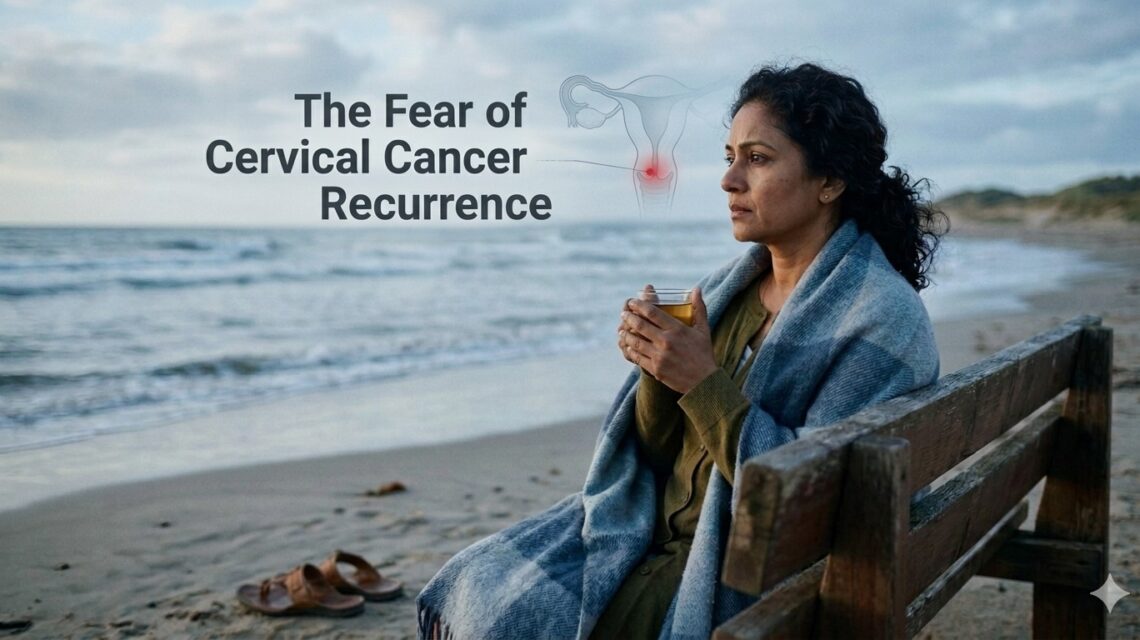
The Fear of Cervical Cancer Recurrence: How to cope with the “waiting for the other shoe to drop” feeling April 8, 2026 – Posted in: Oncology

  The moment your Gynaecologic Oncologist says, “You are in remission,” or “The scan is clear,” you expect to feel a rush of pure, unadulterated joy. But for many cervical cancer survivors, that relief is quickly shadowed by a persistent, uninvited guest: the fear of recurrence. It is often described as waiting for the other shoe to drop—a quiet, background hum of anxiety that can grow into a roar before every follow-up appointment. If you…

Continue reading
Continue reading...

Relationship between infertility, its treatment and cancers September 20, 2019 – Posted in: Gynaecology, Oncology

As of today, almost 1 in 10 couples are affected by infertility to varying extents. There are a lot of rumours about whether fertility treatments actually lead to cancers in the future or not. Lets look at some of the latest evidence. Fertility and ovarian cancer: Ovarian cancer is one of the most lethal killers amongst all cancers. Risk factors include nulliparity (never been pregnant), late menopause and increasing age. Whereas, consumption of oral contraceptive…

Continue reading
Continue reading...

Ovarian Cancer August 7, 2019 – Posted in: Gynaecology, Oncology

In India at present we see about 32000 cases a year with about 23,000 deaths per year. This translates to a mortality (or a “kill rate” of over 70%), making it the most lethal gynaecological malignancy. A cancer that is so aggressive and lethal, obviously requires treatment which itself is intense and radical. Moreover, ovarian cancer is often called a “silent killer”. This is because, it is invariably diagnosed in the later stages. The reason…

Continue reading